Physical Address
304 North Cardinal St.
Dorchester Center, MA 02124
Physical Address
304 North Cardinal St.
Dorchester Center, MA 02124


Nobody is unaware of the evolution of the internet and how drastically everything changed around it in the past three decades. Earlier, there were static websites, and now social media is a major addition to the world of the web. However, you must note that there is something else that is ruling the internet, i.e., blockchain-powered applications. Each evolutionary stage has completely transformed how we interact online. Within this particular age, Web3 is something that is dominating the online space. In short, it is an internet that is built on factors such as user ownership, decentralization, and transparency.
To put it simple, Web3 is known to be the “future of the internet,” which aims to give users comprehensive control over their data, digital identity, as well as online assets such as crypto.
Web3 has been built on a wide range of principles that form its foundation. Here is the list of those principles that will help you understand Web3 in a better way:
Besides that, there are platforms like Ethereum that enable developers to build decentralized applications (dApps). This shift could redefine industries such as finance, gaming, art, and social media.
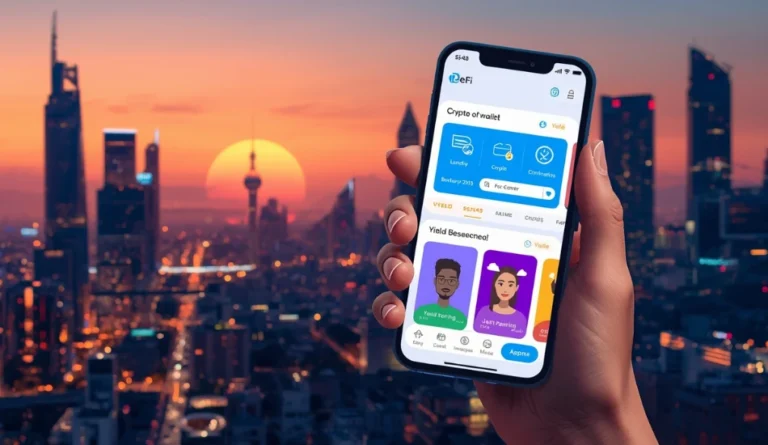
Web3 applications operate using blockchain networks. Instead of logging in with an email and password, users connect through crypto wallets. These wallets act as both identity verification and payment systems. For example, decentralized finance (DeFi) platforms allow users to lend, borrow, and trade cryptocurrencies without traditional banks.
In addition to that, NFT marketplaces let creators sell digital art directly to buyers without intermediaries. Web3 also introduces decentralized autonomous organizations (DAOs), where community members vote on decisions using governance tokens.
Important Note
While Web3 promotes decentralization and user control, it also places greater responsibility on individuals. If you lose your private keys or fall victim to scams, there is often no centralized authority to help recover your assets.
Web3 offers several benefits and advantages to users, including the following:
By removing intermediaries, Web3 could reduce fees and increase transparency across industries. Smart contracts ensure that agreements are executed exactly as programmed.
Despite its promise, advantages, and growth, Web3 faces significant challenges, which are listed below:
After taking a look at the details furnished above, we can say that Web3 represents a bold vision for a decentralized, user-owned internet. By leveraging blockchain technology and smart contracts, it aims to shift power away from centralized corporations and toward individuals. However, like any emerging technology, it is still evolving. While it promises greater transparency, ownership, and financial freedom, it also demands responsibility and technical understanding from users.
The main aim of Web3 is to get rid of any intermediaries and give users full control over different spaces, rather than connecting to any centralized entity at first.
No, AI will never replace Web3 nor Web3 developers. Development of dApps and blockchain-based solutions is a very skillful and creative task that cannot be performed by AI.
There are various ways through which you can earn in the Web3 world:
Sapien, Secretum, Decentraland, Sola, DTube, LBRY, Storj, Brave, Ethlance, and Everledger.